Donald Kuhn Interview, 25 March 2014
Abstract
Donald Kuhn describes his life from growing up on a truck farm in Avon to retiring in Cleveland Heights. He provides detailed and vivid memories of how places have changed and transformed over the years. He begins with Avon. He says that the pivotal moment in Avon was when they got the sewers in place. After that people began moving in droves. A similar situation happened in Cleveland Heights, but instead of creating sewers it was the removal of a ban on for sale signs. According to Kuhn, the removal of these signs caused drastic changes in the neighborhoods. As an avid birdwatcher and member of the Audubon Society, he has also noticed a decrease in the types and numbers of birds in the area. A problem he attributes to overcrowding and a loss of habitat. Kuhn concludes the interview by talking about Grace Lutheran Church. He laments how that church went from a vibrant community to being closed, and wonders if other churches in Cleveland Heights will also go down that path.
Metadata
Sponsor this interview
Oh no! This interview has not yet been transcribed.
Transcription is expensive and time-consuming. You can support transcription on clevelandvoices.org by sponsoring an interview. As a sponsor, your name – or the name of your family or organization – will become part of the archival record. Donations to the Center for Public History + Digital Humanities are processed via the CSU Foundation and are tax-deductible.
Judson Oral History Project
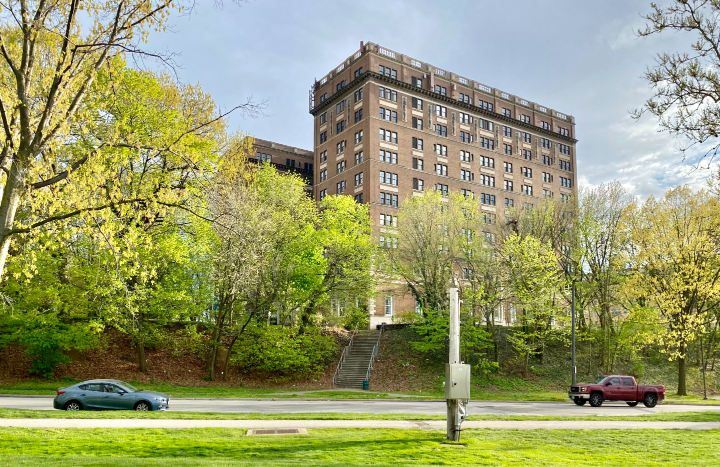
These interviews with residents of the Judson Park retirement community focus on personal recollections of the city's history and development. Interviews were conducted with the support of the Unger Family Foundation and the Maxine Goodman Levin College of Urban Affairs at Cleveland State University and were carried out by staff at Judson, alongside a team of researchers and students from Cleveland State.