Linda Shisila Interview, 2010
Abstract
Linda Shisila was born in Cleveland in 1950 and grew up in Parma, a suburb on Cleveland's west side. This 2010 interview discusses her childhood, focusing on the music she listened to throughout it. Shisila was an avid fan of rock and roll and saw it as a great form of fun and entertainment. Comparing the music from her childhood to that of today, she laments the negative messages found in much of the latter, preferring the happier songs that she remembers growing up with.
Metadata
Interview Transcript
Transcripts may contain errors.
Linda Shisila [00:00:02] I remember he showed a picture.
Dana Aritonovich [00:00:06] Okay, why don't we start with you just stating your name and when you were born and where you were born.
Linda Shisila [00:00:13] My name is Linda Shisila. I was born November 25, 1950, in Cleveland, Ohio.
Dana Aritonovich [00:00:20] And where exactly in Cleveland did you grow up? Like, what was your neighborhood like?
Linda Shisila [00:00:25] I was only there until I was about five years old. All I know is I lived on Dearborn Avenue near West 73rd. There was a little corner shop that we used to go to that I used to like to get gumballs at. That's my best memory of where I lived.
Dana Aritonovich [00:00:41] And tell me about your family.
Linda Shisila [00:00:44] I'm the only child. My parents were divorced when I was 4, I believe. So I grew up basically with my mom. We moved to Parma when I was five.
Dana Aritonovich [00:00:56] So did you spend the bulk of your childhood in Parma?
Linda Shisila [00:00:58] Yes.
Dana Aritonovich [00:01:04] And tell me about what you remember about life in Parma. What was your neighborhood like in Parma?
Linda Shisila [00:01:12] There were a lot of kids on our street. Seemed like a lot of families with children. I was the only girl on the street. The rest were all boys. So I played a lot of cowboys and Indians and cops and robbers with the kids down the street. And I used to race to the bus stop with one of the boys named Bob. I remember that.
Dana Aritonovich [00:01:32] And what's your earliest memory of your school, the first school you went to?
Linda Shisila [00:01:36] I went to Snow View Elementary School, and I started in January, because at that time it was. You could start in September or January, depending on when you were born. I wasn't five until November, so I couldn't start until January of the following year. So I really only had a half a year of kindergarten. And I guess I just remember kindergarten is playing lots of games. I don't think it's the way it is now because I've subbed in kindergarten and worked in kindergarten, and I know there's a lot more work now than there was then. It was mostly playtime, fun time. And I don't remember starting to read when I was in kindergarten like students do now.
Dana Aritonovich [00:02:18] And who did you hang out with? Who were your friends when you were in elementary school?
Linda Shisila [00:02:24] There was a girl on the next street named Diane. She was a good friend of mine. And another girl moved in when we were in fifth grade. Her name was Bonnie. She lived down the street. We were close friends for a long time through high school.
Dana Aritonovich [00:02:41] And what's your earliest memory of music? What's the first music you can recall hearing, maybe at home or outside the home?
Linda Shisila [00:02:48] Oh, I know on Sundays My mother used to always listen to polkas for some reason. Polka variety show on Sunday afternoon. People were dancing and singing. And she'd have polkas on in the house. I remember that. And as far as for myself, I think I really got most interested in music. When the Beatles came along. And I was about 14 before that. I don't think I really paid too much attention to what was. Unless it was something on TV that I happened to listen to.
Dana Aritonovich [00:03:20] And what was it about The Beatles that appealed to you?
Linda Shisila [00:03:24] I guess I liked their sound, their look. And that seemed to be the popular thing right then and there. I even went to The Beatles concert when they came to Cleveland.
Dana Aritonovich [00:03:33] What do you remember about that?
Linda Shisila [00:03:35] A lot of noise, couldn't hear a song. A lot of people screaming. Because at that time was when all the kids were always screaming when they came on stage. And a lot of screaming and yelling. And when I look back at it, I was allowed to go Downtown alone with my friend when I was 14. So it was a lot safer Downtown than it is now.
Dana Aritonovich [00:03:53] That was a public auditorium.
Linda Shisila [00:03:56] I think it was outside. I think it was at the stadium, actually. I think we was outside.
Dana Aritonovich [00:04:01] I know they played at the stadium. Maybe, like, the second time they came to Cleveland.
Linda Shisila [00:04:07] I still have the ticket stubs, but I can't exactly. I think it was outside. So maybe I was. Maybe it was the second time.
Dana Aritonovich [00:04:15] So I know they played at Public Auditorium, Public Hall, one time. And the other time was the stadium?
Linda Shisila [00:04:19] No, we were outside. A lot of screaming, a lot of noise. It was August.
Dana Aritonovich [00:04:24] Okay, and who did you go with to the?
Linda Shisila [00:04:27] A friend of mine named Sharon. She didn't live in Parma, she lived in Cleveland.
Dana Aritonovich [00:04:37] And what about other musical things that you remember hearing people talk about at school? Like, what were the other kids in school interested in? Was it all Beatles, or were there other? Like, Motown?
Linda Shisila [00:04:46] Motown was a big deal back then. I liked a lot of the Motown music myself.
Dana Aritonovich [00:04:55] And what was it about that kind of music that you think was appealing to people your age?
Linda Shisila [00:05:01] Motown?
Dana Aritonovich [00:05:02] Motown or the Beatles or any of that. What do you think it was that appealed to young people more than maybe your parents or something?
Linda Shisila [00:05:12] Maybe a lot of it. We used to go to dances and things. And I think a lot of it was easy to dance to words you could hear and understand. And you could sing. Sing to it, actually. I guess just. See, because every generation goes through their period of music. You know, maybe it wasn't something that my parents used to like. But I don't like what's out there. Now that you know, some of the kids like some of the rap and things. So I guess it's from generation to generation, whatever's going on at the time.
Dana Aritonovich [00:05:41] And where do you buy in your first records?
Linda Shisila [00:05:45] Where did I buy them? There was a store down the street called Spartans. I don't know what the heck that was. Like a Target or something of that day and age. I remember buying some records there. Then there were other stores like Uncle Bill's and Giant Tiger and all these crazy names of stores. And they really didn't have record stores, so to speak, back then. Like, you know, you could go to Best Buy or Circuit City or anything. They didn't have that. I have a lot of Beatles albums. A lot of albums, actually. I have a lot of different albums, but that must have been where I bought most of them.
Dana Aritonovich [00:06:23] And did you have a job when you were a teenager that enabled you to buy these records for yourself?
Linda Shisila [00:06:28] I didn't have a job till I was 15. I had a work permit. I worked at the Mercury Theater, which is no longer there anymore, Middleburg Heights. And I only made 95 cents an hour. So I don't know how many records I could have bought then. Selling popcorn and candy.
Dana Aritonovich [00:06:47] And where did you go to listen to music? Like friends houses? Did you go to any place that played recorded music?
Linda Shisila [00:06:56] No, I didn't really hang out at a lot of places. It was either at a friend's or in my basement.
Dana Aritonovich [00:07:06] And what about listening to live music like any other concerts that you remember going to?
Linda Shisila [00:07:17] No, I don't think I really did. I went to more concerts in my past 10 years than I went when I was younger, actually.
Dana Aritonovich [00:07:25] Was there any reason for that?
Linda Shisila [00:07:28] I don't think there were actually a lot of concerts. Or maybe I wasn't aware that there was. I just didn't go to them. You know, they had things downtown like the Agora, things like that, but I never went to that.
Dana Aritonovich [00:07:38] You weren't like a nightclub person or thing?
Linda Shisila [00:07:40] No, I didn't hang out at those kind of places.
Dana Aritonovich [00:07:47] And what did your mom think about the music that you were listening to?
Linda Shisila [00:07:52] I don't think she ever really stated that she, you know, it was me and what I was. It wasn't wild, crazy music, you know. I don't think she minded the Beatles. She never really said much about the other music.
Dana Aritonovich [00:08:11] What do you think the music meant to you as a young person? Did it inspire you in any way? Or did it have any other meaning besides just its good music?
Linda Shisila [00:08:27] I don't know. I don't think it was a part of my life because it's what I enjoyed listening to. But I really don't think it had an effect on anything I was doing. Unless I remembered a song, you know, that reminded me of somebody or something like that, but that was about it.
Dana Aritonovich [00:08:41] Did you go to, like, dances and stuff, like junior high in high school?
Linda Shisila [00:08:44] Yes, they were called canteens. Went to canteens in junior high and then like, prom, senior prom, winter formal and all that kind of thing in high school, they played the music that was out on the radio at the time. Used to listen to Wixie 1260.
Dana Aritonovich [00:09:05] And what other stations or DJs do you remember?
Linda Shisila [00:09:09] I don't know why, but I remember some guy named Bob Friend on some WHK or something like that. They played music that was more, you know, for teens. And he had homework help. I don't know why I remember him. You could call in and ask for help with your homework. Crazy. Yeah. And what else? I do not remember a lot of the DJs on Wixie 1260 now.
Dana Aritonovich [00:09:34] Any other stations you remember listening to? No, just WIXIE and WHK, basically. What do you. Let's talk about your school a little bit. Was your school integrated at all?
Linda Shisila [00:09:51] No.
Dana Aritonovich [00:09:55] And I'm assuming Parma. I know from other people I've spoken to, Parma was not integrated.
Linda Shisila [00:09:59] Not at that time, no.
Dana Aritonovich [00:10:03] And what do you remember maybe hearing, I don't know how aware you were at that age of hearing about other issues, like in other, like, suburbs or Cleveland itself about the integration issue. Because I know there was some, especially in the early 60s, there was a lot of discussion about, you know, the schools were segregated, but some people were saying, well, they weren't segregated. They weren't segregated legally. It's just because that's where people happen to live. What do you remember hearing about any kind of, like, integration issues in Cleveland or even, you know, any other areas in the country?
Linda Shisila [00:10:33] I only remember hearing about different neighborhoods, like Hough Avenue, and I can't think of the name of the other one right now, but places that were supposedly high crime or places you didn't really want to go to or pass through. Didn't hear a whole lot about downtown Cleveland at the time because I was traveling down there back and forth for this club thing that I was in. And it really didn't bother me. I wasn't afraid to go downtown, but I don't think. It wasn't really talked about in my house. And I wasn't a news person, and I really didn't Listen to the news at that time now it's all I ever watch is the news.
Dana Aritonovich [00:11:22] Do you think? What's the first song you remember hearing that kind of had, like, a political message or a social message? I mean, it could be a folk song, it could be a rock song. It could be anything that appealed to you beyond just. It's got a good beat and I could dance to it.
Linda Shisila [00:11:46] Well, I remember when all that happened in Kent, you know, I was already a little older, but when the. The one Ohio Crosby, Stills Nash made that song, you know, that really hit me in a different way. Other than that. No, I don't think I really paid much attention to all that. But that's the one that I kind of thought about. It kind of had a message in it about all that uproar that was going on at that time at Kent State, because that was right before I went there, too.
Dana Aritonovich [00:12:16] What year did you start?
Linda Shisila [00:12:17] I think I went there in the fall of 70. And that happened in May of 70?
Dana Aritonovich [00:12:26] Yeah, one of my aunts was there, I think, actually, the day that it happened. I think she had just started, like a year or two before that, too. Okay, well, let's talk a little bit about just like Cleveland itself. What do you remember about. And you might not have heard anything maybe about, like, the riots, like the Glenville Riots, the Hough Riots. That was 66 and 68. Do you remember hearing anything about maybe what caused it or any warnings not to go near those areas or anything like that?
Linda Shisila [00:12:59] I remember hearing things on the news about it. But like I said, I really didn't pay a lot of attention to that. I was in high school. I didn't graduate till '68. And I just. And kind of pay attention to what was in my neighborhood and my area and my friends. You know, I didn't really give much attention to it at all. But I knew, you know, in the back of your mind, you could pick out the name Glenville or Hough and know that it wasn't a place you wanted to go.
Dana Aritonovich [00:13:25] And what made you think that's not a place that you should go?
Linda Shisila [00:13:28] Because I heard there was a lot of problems and riots and things going on down there. And I just kept myself local. I guess I really didn't go downtown or that area for anything, except, like I said, I was in this club that I used to go to, but that was before that time. It was down on Euclid someplace.
Dana Aritonovich [00:13:47] What do you remember about Carl Stokes being elected the first Black mayor of a major city in 1967?
Linda Shisila [00:13:57] Well, I don't think my mom really said a lot about things, but I remember we might have talked about it in our classes at school. School as it being, you know, kind of a historical moment that a Black mayor would be elected to a city. Myself, it really didn't affect me either way.
Dana Aritonovich [00:14:23] What do you think the role of music should be in society? Like, a lot of the stuff that I'm looking at, like I said before, the music in the '50s was not, didn't really have a political message. There were certain things that could be perceived that way, but they weren't putting it in your face like they did in the late '60s. Do you think music or musicians or artists in general have an obligation to speak out about things that are going on in society?
Linda Shisila [00:14:54] Well, it depends. Sometimes I think music should be more for entertainment and enjoyment. But I know that kids of today pick up things from it and things that I hear, you know, regarding drugs and, you know, could go either way. They can be telling you, you shouldn't be doing this and this and this to become a better person in your future. But a lot of times it almost reinforces that this is okay to do and that's okay to do. And, you know, I think it probably should be sending a message to the people who are in that kind of generation right now, you know, what's right and wrong in our world, because too many kids are going the wrong way. But I don't remember all that when I was growing up, because I didn't really. Maybe what it is too. People don't really listen to it to get messages. Maybe they just listen because they enjoy it. So, you know, it's hard to say.
Dana Aritonovich [00:15:40] So do you think that the music sounds like. What you're saying is that the music in the past maybe had more of a message, even if it wasn't, maybe it did, and these days it's less so.
Linda Shisila [00:15:50] I think these days it's promoting things that really aren't good out there. You know, alcohol and sex and drugs and killing, you know, shooting, or a lot of swearing in some of the songs. So today music is more negative in some respects, but not all. You know, you can listen to country music today or, you know, even like Taylor Swift or Miley Cyrus, you know, they come along with good notes for the kids, I think, or adults. You know, it just depends on what you're listening to and what you're getting out of it.
Dana Aritonovich [00:16:22] And what do you think it is about that music of your generation that people still listen to it? Like, people like me, I'm 36, but that's what I grew up listening to. Also my mom's old records. What do you think it is about? Because a lot of what's on the radio today is people aren't going to be listening to it in 50 years. No, they're just not, you know, as good as it might be considered now, it's not going to have the lasting value. What do you think it was about that music of the 50s and 60s that is still. There's all these channels and stuff. And why is it still appealing to people of all generations today, do you think?
Linda Shisila [00:16:51] I don't know. I thought about that myself. Because there's so many concerts where they bring back the older singers and you're still interested in going. You know, I still go to Rod Stewart and Barry Manilow and, you know, I went to Cher's concert to carry there for her birthday. And then they have the Moondog every march. I go to that. I guess it's the beat, you know, like I said before, you can sing along with some of those songs. You know, you might not think of a song for a long time and it comes on the radio and you know the words right away because you remember singing along to it way back when. You know, some of the songs out today, you can't even hum the tune because it's, you know, you can't hum a rap song. I listened to some of that with my son, and some of it. It's not all bad, you know, some of it is not all of it, but I just think it's something that sticks because people relate to that back then, too. Things you might have been doing or who you might have been dating or where you were at the time when that song was popular. And you could understand the words. They were fun songs, too.
Dana Aritonovich [00:17:59] What was it about the lyrics, do you think that? Not even just that you can, you know, you can obviously understand them better than you can in a lot of songs today. But what was it about what the lyrics were saying that you personally can relate to in a lot of that music?
Linda Shisila [00:18:16] I guess a lot of them were happy songs. You know, they didn't hear a lot of depressing songs. It was happiness or love songs or, you know, just goofy songs. They had some silly songs that just stuck to your. To your brain, but they'll probably always be along. I agree with you. 50 years from now, you're not going to hear about whoever. You know, Michael Jackson might stick around for a while, but not a lot of the people that come and go right now.
Dana Aritonovich [00:18:47] So what do you wish that younger people understood about that music that you like? Why or maybe why ask it like this? Why do you think there aren't songs like they were 50 years ago? Why do you think music has changed the way it has and gone in maybe a more negative direction? Do you think that's a reflection on society or is it just the evolution of music?
Linda Shisila [00:19:11] Probably a little bit of both. Because I think the generation before mine listened to a whole lot of different songs than I listened to when I was younger. You had Dean Martin and Frank Sinatra and a lot of maybe show tunes or things from older movies, things like that. And then when Beatles and all that came along, it was the English Revolution, Dave Clark 5 and the Rolling Stones and all those kinds of groups. So it was kind of the thing at that time. And society is changing. And a lot of the. I think the singers in today's music maybe come from different kinds of families growing up, you know, more. Maybe they are in homes where there's more drugs or, you know, difficulties they've seen, and they're trying to express it through their music, you know, because back when I was in school, you really didn't hear of people on drugs or drinking, or at least I didn't hang around with that kind of crowd. You know, they were there, but they weren't as prevalent as now. Now there's a lot of problems in the schools and because of the families. So I think that's why the music changes, too. People sometimes who sing try to give some sort of message about their own life, too, I think.
Dana Aritonovich [00:20:21] And do you think that's helpful to society to have artists expressing their own personalities and things?
Linda Shisila [00:20:30] I think so. Because then you can make some choices too, from hearing things like that.
Dana Aritonovich [00:20:35] So would you say then that the influence of popular music, whether it's, you know, rock and roll, hip, whatever it is, whatever is considered popular music of the day, has a generally positive impact on society as far as it can help people understand other people better.
Linda Shisila [00:20:55] Yeah, I think that's probably something you could say. Even if you like it or you dislike it, it still has some sort of a message for someone. And probably the younger people of today hook onto that because it is their generation music, and hopefully they get a good message from most of it. Like I said before, a lot of the messages aren't. You know, I don't think there is a message. I think it's just a lot of, I don't know, just something to make a song and get some Money out of it.
Dana Aritonovich [00:21:22] Yeah, that's something. I've talked to a couple musicians who were in Cleveland in the 50s and 60s, and that's kind of what they were emphasizing too, was it's not an art anymore. It's more about just trying to make money. And is that a reflection on maybe the music industry that is just all about money, or do you think, you know, like I said before, it's just the way culture and society has evolved over the years that, you know, this music, these musicians in, you know, before, really before, like the 70s and 80s, they really weren't making a lot of money. I mean, a few artists were, but they had really bad contracts. Even all the Motown acts, I mean, Black owned business with, you know, with all Black performers. He was taking advantage of his artists just as much as any other record producer was in the past. Once they latch on to something that's popular, they just want to go with it. Do you think that has more to do with the music industry or the way society is now that we're so focused on material things?
Linda Shisila [00:22:23] Well, I think that's definitely a problem right now that, you know, money seems to be the main aspect. Even when we were talking about sports figures and actors, how much they make compared to what a doctor might make, who's really making a difference. Same with people who are singing. I think they pull people in sometimes without much talent or which. I don't know what you would say, but, you know, paying people money to just produce something that maybe doesn't have the quality that it did before. Because I think that was true. When Motown was out. I forgot the name of the guy, the guy with the big hair, Don King, I think his name was. You know, it was proven that he was in it more for himself than passing on the wealth to the people who were actually singing.
Dana Aritonovich [00:23:13] So do you think there is? You didn't interact with a lot of people, a lot of non white people when you were growing up? It seems like, at least in your school.
Linda Shisila [00:23:21] Nobody went to my school, so. No, not really.
Dana Aritonovich [00:23:24] And then you didn't really go out a lot and socialize with different groups of people necessarily, just because that's.
Linda Shisila [00:23:31] No, just the people I hung out with at school. Right. That's the way Parma was. You just hung out with whoever you were in school with. We'd do things with a little clique or group, you know, and it was always from school. And I wasn't a bar fly or anything like that, so I really didn't meet other people.
Dana Aritonovich [00:23:46] So do you Think that this music that does come from black roots because it's all rhythm and blues based. Do you think that this music that is black inspired had an impact on the way that America looked at black performers or black people in general? Do you think it changed anybody's perceptions? Especially in the 50s when it was starting out and most of these performers were. And then, you know, like, people like, you know, Perry Como and other people like that would come and record their songs and make a lot of money off it. And the original artists weren't getting any credit for it. Do you think that the more popular this music, especially, like with Motown and everybody listened to Motown, Everybody did. Do you think that it had any impact on the way. Especially young people, because they didn't have the same ideas necessarily about race that their parents did. Did the music change the way anybody looked at race in Cleveland, at least in your experience?
Linda Shisila [00:24:44] Oh, maybe somewhat. You know, I liked Motown. I have a lot of albums of Supremes and Aretha Franklin and, you know, I really liked Stevie Wonder a lot, you know, and all kinds of songs by all the black people that were singing at that time. So, yeah, I suppose it did. You know, I did not buy something because a black person wrote it or sang it, you know, that didn't really bother me. I enjoyed the Motown music. So. Yeah, I suppose it did. Having a little bit of change because they were succeeding in performing and singing. And people bought their music. So it probably did have an impact because the generation before was mostly white, except for, like, Louis Armstrong or Ray Charles or something like that. Older performers. Right.
Dana Aritonovich [00:25:39] So you said you started in Kent in 1970?
Linda Shisila [00:25:43] Well, I went to Tri-C. First in Cleveland or Parma. Parma Heights and then Kent and finished in Cleveland State is where I finished.
Dana Aritonovich [00:25:52] And where did you go to school for early childhood education?
Linda Shisila [00:25:53] I was certified K8.
Dana Aritonovich [00:26:07] Well, why don't you just. You just talk about, you know, some of the other artists that you were interested in? And besides The Beatles, The Supremes, stuff like that, who else were you listening to that was? That was popular at the time you were talking earlier, like 14, 15. Yeah. Like when you really started getting interested in music.
Linda Shisila [00:26:30] I'm trying to think after, you know.
Dana Aritonovich [00:26:32] The Beatles kind of sparked your interest.
Linda Shisila [00:26:34] Yeah, Well, I like the Crosby, Stills and Nash. I remember I liked them. And my mom only heard the word Nash. And she bought me a Johnny Nash album. It was the wrong one. It was Crosby, Stills and Nash. I got that old album where they're sitting on a couch. Who else do I have? Beatles, Dave Clark, 5, I've got the Motown, like I said, Supremes, the Association, Three Dog Night. Some of the other groups that came from England, like Herman's Hermits, used to like them. And some of these names. Chad and Jeremy. Oh, gosh. I used to always like those kinds of groups. The Turtles, the whole. Trying to think of who else. I heard Anthony and the Imperials. People I heard down at the Moondog. Whenever they say, oh, this group is coming, and that group and the other group. It's kind of exciting because you start to remember some of the songs. Leslie Gore used to like her. I saw her. She was great.
Dana Aritonovich [00:27:37] Yeah, I was there that year, too.
Linda Shisila [00:27:38] Were you? That was a great concert.
Dana Aritonovich [00:27:39] Did you go this past year?
Linda Shisila [00:27:41] No, I hope to go this year. Was it good?
Dana Aritonovich [00:27:44] He was. A few of the performers I've seen in the past were not.
Linda Shisila [00:27:48] They were okay. Yeah.
Dana Aritonovich [00:27:49] But Little Richard was. He performed for at least a half an hour.
Linda Shisila [00:27:52] Wow.
Dana Aritonovich [00:27:52] And they had to wheel him out in a wheelchair. And he was mad because they showed it on the big screen.
Linda Shisila [00:27:56] He started yelling, cut it off the big screen.
Dana Aritonovich [00:27:58] Until he got seated. But he was phenomenal. I was just- That was like one of the highlights of my life, seeing him.
Linda Shisila [00:28:04] I like seeing the old artists because some of them still sing pretty good. We saw The Animals. Maybe that was the same year. I wasn't crazy about them. I don't really care for them. What else did I say? No. Three Dog Night was good. I never did see The Association, but I would like to because "Cherish" was always my favorite song. I can't think of anyone else right off the top of my head.
Dana Aritonovich [00:28:29] What other songs do you remember that were, you know, songs that you might have been, like, played over and over and over?
Linda Shisila [00:28:42] Well, I did. I liked Cher. I liked some of those. I can't remember the names of the group. Maybe it was. Maybe it was the Turtles. Hey, baby. They're playing our song. Something like that. I really like that song. And. I've always liked certain songs by The Beatles. "We Can Work It Out." And I like that song about- What's that song that somebody burned on a CD for you to give me something about life. Now I can't think of. There's people and places.
Dana Aritonovich [00:29:19] Yeah.
Linda Shisila [00:29:19] It began to show. Providence. I can't remember the name of it, though. Isn't that funny? Places I remember. Yeah. The Beatles, Life. "This All My Life." I really like that song. That's one of my favorite Beatles song. "Things We Said Today." Favorite Beatles song. Paul McCartney. I like a lot of his songs. I have his albums and CDs, and then Barry Manilow and Rod Stewart. And you get into the little old coots that are still singing out there. We saw them on something a month or two ago, a friend of mine, and I like to go to their concerts. And I called her. I said, oh, the lighting of the tree at Rockefeller Center. I said, Baron Manila and Rod Stewart are going to be on. So we both watched from different places and talked after. And I said, they're getting old. She said, yeah, their moves are getting a little slower. We were laughing. I said, I don't know if I'm going to go see them anymore, but they were entertainment at the time. So that's probably. I can't think of anything else off the top of my head.
Dana Aritonovich [00:30:38] I think that's probably all I have. Unless there's something else that you wanted to add about why you still listen to this music besides the fact that you grew up with it and this is, you know, brings back memories. Is there anything else that appeals to you about this music all these years later? Since this music was all kind of geared towards young people technically? Because I know there's some stuff that I listened to when I was a kid that. I mean, I listened to it now because I listened to it when I was a kid. It's not necessarily good music. It's just that. Oh, it reminds me of something.
Linda Shisila [00:31:09] Exactly. I guess. I don't know, I just like the way some of it sounds. You know, when I turn on the radio and something good comes up, you know, I'll listen to it, turn it up a little bit, just like it. I don't think there's any specific reason. I bounce a lot now. I bounce back and forth. I'll go to the country station sometimes, and if I hear Keith Urban or Faith Hill or Taylor Swift, I like a lot of her music. Even though she's 40 years younger than me. I think she's great. You know, she's good. She's got good songs. So I'm not just focused on one era anymore, you know, I spread around a little bit.
Dana Aritonovich [00:31:43] So you just like music in general?
Linda Shisila [00:31:45] I always have it in the car. My husband's in the car. He tells me to turn it off because he can't hear well, so he doesn't hear the words. But I catch him coming home like a teenager with it on full blast when he's in there alone. So he says, well, I need to turn it up so I can hear it, you know, so. But, yeah, I just like music in general? I don't know. Just. I like. I like having something I can either have in my head or sing along to or something that sparks a memory. I just like things on. I don't like solid quiet all the time. Even when I'm in the house, I have the TV on or something, getting ready in the morning, I have the radio on, you know, so I can't sit in a quiet room too long.
Dana Aritonovich [00:32:30] I know how that is. Okay, well, I think we're actually finished. You answered all the questions I needed you to answer, so we're all set.
Linda Shisila [00:32:40] Okay.
Dana Aritonovich [00:32:41] Thank you so much for your time.
Linda Shisila [00:32:42] Thank you. Thank you.
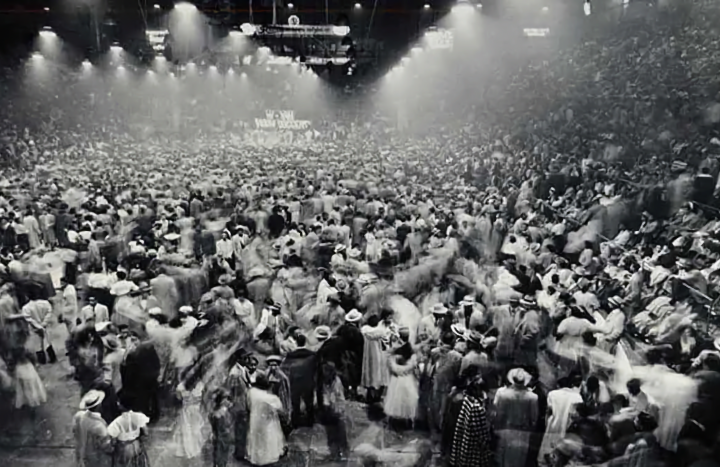
Rock and Roll
This collection of interviews covers topics of race relations and rock and roll music in Cleveland between 1952 and 1966. The interviews were conducted by Dana Aritonovich as she researched her thesis – The Only Common Thread: Race, Youth, and the Everyday Rebellion of Rock and Roll, Cleveland, Ohio, 1952-1966 – in pursuit of a Master of Arts in History at Cleveland State University, which was successfully completed in 2010. Interview subjects are music fans, musicians, and disc jockeys from…