Ora Sims interview, 11 July 2013
Abstract
Ora Sims was born on a cotton farm in Natchez, Mississippi, in 1917. Her parents owned the farm, which was rather unusual for African Americans in that area at the time. She recalls the hardships of farm life, including the boll weevil, but adds that in the Great Depression, she never felt poor because they grew all the food they needed. Sims recounts how her father fed passersby who were desperate for food and work during the Depression. She remembers the time before the Tennessee Valley Authority rural electrification program transformed life in Mississippi. Sims also tells stories of her father rescuing at two men from the threat of lynching, and she recounts a humorous story of how her young son saw Jim Crow water fountains. She attended Alcorn State Normal School and Tennessee State and then taught for 50 years. Sims arrived in Cleveland in 1946 and lived in Glenville. She recalls the difficulties of being a black shopper in some downtown Cleveland stores and reflects on the separate and unequal schools on either side of the Cuyahoga. Late in the interview she discusses Antioch Baptist Church and how Councilman Leo Jackson shut down Cafe Tia Juana, a storied jazz and blues club on East 105th Street.
Metadata
Sponsor this interview
Oh no! This interview has not yet been transcribed.
Transcription is expensive and time-consuming. You can support transcription on clevelandvoices.org by sponsoring an interview. As a sponsor, your name – or the name of your family or organization – will become part of the archival record. Donations to the Center for Public History + Digital Humanities are processed via the CSU Foundation and are tax-deductible.
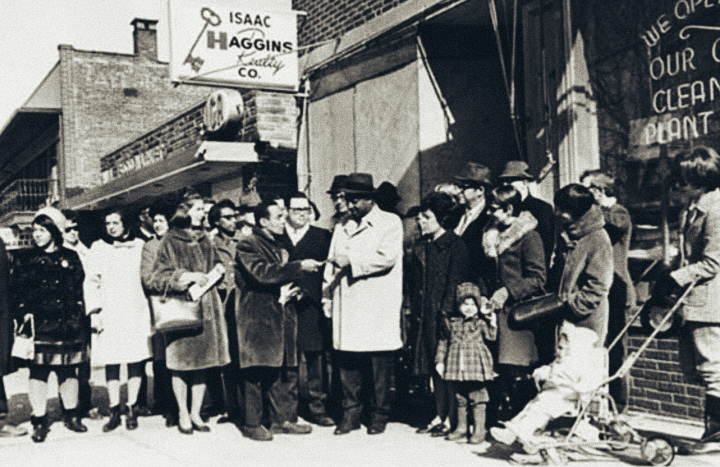
Racial Integration in the Heights
Interviews in this series were collected by undergraduate students at Cleveland State University under the supervision of Dr. Mark Souther, with funding from the Office of the Provost. The series contains interviews with pioneers of suburban residential integration and social activists who supported peaceful managed integration/desegregation and fair housing in Cleveland Heights and Shaker Heights in the 1950s to 1970s.